
 Search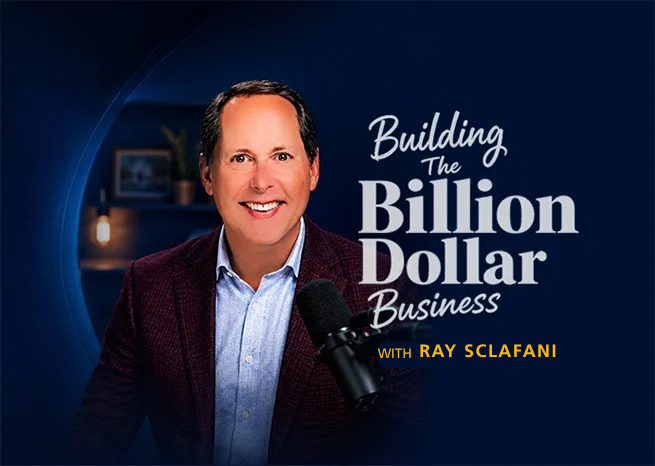
Episode #125
Where Real Learning Happens
Building the Billion Dollar Business with RAY SCLAFANI
EPISODES
EMPOWERMENT
INSIGHTS
Executive Summary
Ray Sclafani explores why peer learning and community matter more than isolation in building a thriving advisory business. Rather than trying to figure everything out alone—paying what he calls "the isolation tax"—successful firm leaders tap into the collective wisdom of people ahead of them. This episode reveals why the "lone founder in a garage" narrative misleads, how to build real community as a practice (not a place), and why asking the uncomfortable question to a peer is worth more than months of solo problem-solving. Discover how strategic planning begins with gathering real data from your network, not inventing solutions in a vacuum.
Key Takeaways
The "scar tissue" you can't buy: Years of hard-earned experience from mentors and peers cannot be purchased—they can only be given. Ask for it directly.
Community is a practice, not a place: Real learning happens through honest conversations with one person at a time, not in formal membership groups.
The isolation tax is expensive: The cost of "figuring it out yourself" often exceeds the cost of hiring help—you're paying with months or years of missed learning.
Asking real questions beats polished strategy: Vulnerable, honest questions ("How did you actually handle that?") drive deeper learning than strategic, perfect ones.
Peer vulnerability builds trust: When you share failures and real numbers, you create permission for others to do the same—turning a performance into an actual community.
Strategic planning starts with gathering, not deciding: Collect actual client language, real numbers, and what peers did before—then the plan writes itself.
Transcript
Ray Sclafani (00:00.802)
There's a version of today where you get a lot done and learn absolutely nothing. There's another scenario, a version where you don't check a single box on your to do list, but you walk away from today different. You've learned something new. I want to talk about that second scenario for a moment. Because whatever ta because whatever today looks like for you, a full calendar or an empty one, a long car ride or a hotel room with a coffee maker still gurgling.
Or a desk where no one's going to interrupt you for eight hours straight. Today is going to hand you information. The only question is whether you're set up to catch it. Let me tell a story about how new businesses get built. Let me share one story about how businesses get built. Lone founder, garage, grit, nobody understood the vision, and then one day everybody did. It's a great story, and it's almost always wrong.
It's a great story, it's also mostly wrong. Every time I've looked closely at someone who built something remarkable, I find the same thing underneath. They weren't alone. Somebody was three steps ahead of them and willing to share. Somebody said the uncomfortable true thing over lunch and saved them two years of hard knocks. Here's why it matters more than motivation. You can buy almost anything in business software, talent, attention, even time.
What you cannot buy is five years of somebody else's scar tissue. That only gets handed to you. Now, I know some of you are hearing this and thinking, well, that's great. Well, I don't have that. No mastermind, no mentor, nobody two chairs over. Maybe you're the most senior person you know and there's nobody left to ask. Let me be precise about this because the word community does you a disservice. It sounds like a place you have to be invited to. Well it isn't. It's a practice.
And it's available to you before lunch today. It looks like one honest conversation with one person who has done the thing. A former colleague, a supplier who serves forty businesses like yours and sees the whole board. A competitor two markets over who has no reason to compete with you. One message the community builders I admire the community builders I admire didn't find their room, they started it. Usually with two people and a standing phone call.
Ray Sclafani (02:27.285)
Which brings me to the thing that actually stops us, and it stops the connected people and the isolated people equally. The most expensive sentence in business is I'll figure it out myself. It sounds like strength. It costs like a mortgage because while you're quietly figuring it out, somebody already figured it out, already ate the failure, and would have told you the whole thing in nine minutes if you'd asked. We don't ask because asking like admitting.
So we protect the image and pay the tuition. Today, try the opposite. Ask the question you're slightly embarrassed to ask. Not the polished, strategic one, the real one. How do you actually handle that? What did it cost you? What do you do differently? And then do the harder half. Be the one who offers the real number. The failed launch. The hire that didn't work. Because a group where everyone is winning isn't a community.
It's a performance, and nobody has ever learned anything about a performance. For twenty years I've attended Barron's conferences, hosted my own conferences, and I've learned the best in our business peer to peer, elbow to elbow, are willing to share and learn together. One last thing, and this is one you can entirely own your own. And one last thing, and this is one thing you can do entirely on your own. Most people plan in December and they plan.
Panic in January. They block a weekend, open a blank document, and try to invent the future out of their own head. And that's not planning, it's guessing with a nice font. Real strategic planning doesn't start with a decision, it starts with an inventory. Because most bad decisions aren't bad thinking, they're good thinking on bad inputs. So before you decide anything about your next year, go gather. Gather your actual numbers, not the ones you feel. Gather the actual numbers.
Gather the exact words your clients use when they describe their problem. Those are sitting in your inbox right now and they're free. And gather the hardest one, what somebody slightly ahead of you did when they were standing exactly where you're standing. Two of those three you can start in the next hour alone with no permission from anybody. So here's your assignment, and it's a one line collect, don't conclude.
Ray Sclafani (04:53.234)
Today is not the day to decide. Today is the day to fill the well you'll be drawing from for the next twelve months. Three questions to carry with you as you begin today. What do I keep assuming that I've never actually checked? Two, who already knows the answer? Three, and what do I have that somebody else needs today? And those and the plan starts writing itself. Answer those and
And the plan begins writing itself. I don't know what today looks like for you. Maybe you're walking into a room full of people. Maybe you're walking into an empty office and you'll the be the only one in it. I don't know what today looks like for you. Maybe you're walking into a room full of people. Maybe you're walking into an empty office and you'll be the only one in it. Either way, the work is the same. Go be the person who gives the most and go pay attention. I'll see you next week.
Questions Financial Advisory Firm Leaders and Team Members Often Ask
How do I find mentors or peer advisors if I don't have an established network? +
Ray says the mistake is waiting to be invited. Start with one honest conversation with someone who's done the thing—a former colleague, a supplier who serves multiple firms, or even a non-competing colleague in another market. The community builders he admires didn't find their room; they started one, usually with two people and a standing phone call.
What's the cost of trying to figure out business problems on my own? +
Ray calls it "the isolation tax." While you're quietly figuring something out, someone else already solved it, ate the failure, and would tell you the whole solution in nine minutes if you asked. The tuition you pay by not asking often exceeds the cost of hiring help or mentorship.
How do I build a real community instead of just attending conferences? +
Community is a practice, not a place. It looks like one honest conversation with one person, and doing that consistently. Real peer-to-peer learning happens elbow to elbow when people are willing to share vulnerably and learn together—not in a performance where everyone pretends to be winning.
Why does Ray recommend gathering before making next year's strategic plan? +
Most bad decisions aren't bad thinking—they're good thinking on bad inputs. Before deciding anything, gather your actual numbers (not the ones you feel), the exact words clients use for their problems, and what someone ahead of you did when they were in your exact position. Once you have that data, the plan writes itself.
What should I actually ask peers or mentors if I want real advice? +
Build Your Advisory Board Before You Need It
Strategic peer networks aren't luxury—they're the fastest shortcut to the decisions that matter. Learn how elite firm leaders leverage community and real advisory relationships to accelerate growth.
Connect With ClientWise