
 Search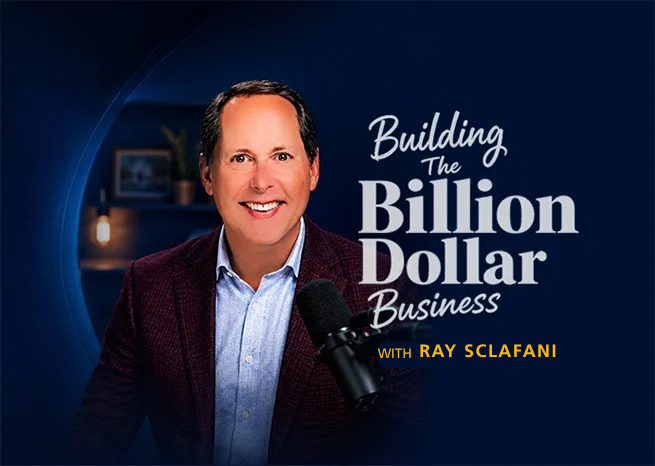
Episode #123
Managers Are the System
Building the Billion Dollar Business with RAY SCLAFANI
EPISODES
EMPOWERMENT
INSIGHTS
Executive Summary
Your people do not experience your strategy directly. They experience their manager. Ray Sclafani reveals why management capability may be one of the most underpriced levers in advisory firm leadership.
In this episode, Ray explores how managers are the delivery system for culture, accountability, and results. Only 44% of managers globally have received formal management training, yet advisory firms regularly promote strong individual contributors without building management skills. Discover the four-part manager operating rhythm that turns good intent into repeatable behavior and scales culture as your firm grows.
Key Takeaways
Managers are the delivery system for strategy, culture, and employee experience. The founder's values and vision mean nothing if the manager on Monday morning doesn't reinforce them.
Only 44% of managers globally have formal management training, yet promoting talented individual contributors into management is the norm in advisory firms.
Strong producers often make weak managers. Technical excellence and client relationships do not translate automatically to coaching, feedback, and development skills.
Weak management creates cascading risks: retention risk, performance risk, culture risk, and ultimately client experience risk. Employee engagement accounts for 42% of turnover intent.
Quarterly performance calibration reduces favoritism, vague feedback, and compensation surprises while identifying high-potential talent earlier.
A simple manager operating rhythm with one-on-ones, calibration meetings, documented development plans, and team health dashboards prevents culture fracture as the firm scales.
Transcript
Your people do not experience your strategy directly. They experience their manager.
That is why management capability may be one of the most underpriced levers in the advisory firm.
A founder can stand up at a retreat and talk about growth, values, client service, accountability, leadership, development, and culture. It may all be true. But on Monday morning, employees experience something more immediate.
They experience the person they report to.
That manager sets the tone. That manager defines clarity or confusion. That manager gives feedback or avoids it. That manager delegates well or creates bottlenecks. That manager develops people or simply assigns work. That manager deals with underperformance or works around it. That manager either builds trust or slowly drains it.
The manager is the delivery system.
The Talent Strategy Operating System has a section on leadership, feedback, and performance. It asks if performance reviews happen more than once per year, if managers hold one on one meetings at least monthly, if employees receive regular feedback throughout the year, if the firm has defined what meeting, exceeding, and far exceeding expectations look like for every role, and if managers are evaluated and held accountable for engagement, retention, and development of their teams. The deck also cites that only 44 percent of managers globally have received formal management training.
That number should bother firm leaders.
Advisory firms often promote strong individual contributors into management roles because they are trusted, successful, and respected. But producing and managing are different skills. A person can be excellent with clients and still be weak at coaching employees. A person can build revenue and still avoid performance conversations. A person can be technically strong and still create confusion for the team.
The firm pays for that gap.
SHRM's 2025 State of the Workplace research says employee engagement and leadership development became central areas of focus after recruiting challenges, and SHRM has reported that employee experience and engagement account for 42 percent of turnover intent.
So when a manager is weak, the issue is not only a bad one on one. It is retention risk. It is performance risk. It is culture risk. It is client experience risk.
Here is the actionable idea: build a manager operating rhythm.
A good manager operating rhythm should include four practices.
First, monthly one on ones.
These meetings should not be status updates only. Status matters, but development matters more. A strong one on one should cover priorities, obstacles, decisions, feedback, learning, capacity, and development. The manager should leave knowing what the person needs. The employee should leave knowing what matters next.
Second, quarterly performance calibration.
Managers need a regular cadence to discuss performance with other leaders. This is where the firm defines what meeting expectations, exceeding expectations, and far exceeding expectations look like across roles. Calibration helps reduce favoritism, vague feedback, and compensation surprises. It also helps leaders identify high potential talent earlier.
Third, documented development plans.
Every employee should have a development focus. It does not need to be complicated. One or two areas are enough. Client presence. Planning skill. Follow through. Leadership behavior. Delegation. Communication. AI fluency. Business development. The development plan should connect to the role and to the future of the firm.
Fourth, a simple team health dashboard.
Managers should know the condition of their team. Engagement. Workload. Retention risk. Development progress. Client pressure. Meeting rhythm. Open issues. The dashboard does not need to be perfect. It needs to make invisible problems visible.
The mistake is to assume managers will naturally do this because they care.
Many do care. That is not enough.
A manager operating rhythm gives caring people a structure. It turns good intent into repeatable behavior.
This is especially important as firms grow. In a small firm, the founder can stay close to everything. As the firm expands, the employee experience moves further away from the founder and closer to the manager. That is when the leadership system either scales or starts to fracture.
A firm cannot have twenty different management styles producing twenty different employee experiences. Some variation is fine. Total inconsistency is expensive.
Here is the practical move. For the next quarter, require every manager to run monthly one on ones, document one development priority for each direct report, and identify one team health risk. Then bring managers together for a ninety minute calibration meeting.
Ask four questions.
Who is performing well and ready for more?
Who is underperforming and needs direct feedback?
Who is overloaded?
Who might leave if nothing changes?
That meeting will reveal more about the firm than most retreats.
The future firm will not treat management as an honorary title. It will treat management as a craft. It will train it, measure it, coach it, and hold it accountable.
Because managers are not beside the system. Managers are the system employees experience every day.
Here are a few questions for reflection.
What do employees experience consistently because of your managers?
Which managers are carrying titles without enough training or support?
Where do your managers need a clearer operating rhythm?
How would performance improve if feedback became normal instead of occasional?
What should managers be accountable for beyond personal production?
Questions Financial Advisory Firm Leaders and Team Members Often Ask
What do you mean when you say managers are the delivery system? +
The founder's strategy, values, and vision only reach employees through their direct manager. An employee's day-to-day experience of company culture, expectations, feedback, and development comes directly from their manager. That manager sets the tone for clarity, trust, performance, and growth.
Why is management training so important in advisory firms? +
Only 44% of managers globally have formal training, yet advisory firms commonly promote excellent individual contributors into management roles. Being great with clients or producing revenue does not automatically teach someone how to coach, delegate, give feedback, or develop people. That gap creates retention, performance, and culture risk.
What should a strong one-on-one meeting include? +
Move beyond status updates. A strong one-on-one covers priorities, obstacles, decisions, feedback, learning, capacity, and development. The manager should understand what the person needs, and the employee should leave knowing what matters next.
How does quarterly performance calibration reduce turnover? +
Calibration meetings bring managers together to discuss performance consistency, define clear expectations, identify high-potential talent, and reduce favoritism and vague feedback. This clarity prevents compensation surprises and helps the firm spot and develop talent before disengagement sets in.
What is a team health dashboard and why does it matter? +
Build Your Manager Operating Rhythm
Implement monthly 1:1's, quarterly calibration, documented development plans, and team health dashboards to scale culture and reduce turnover.
Connect With ClientWise