
 Search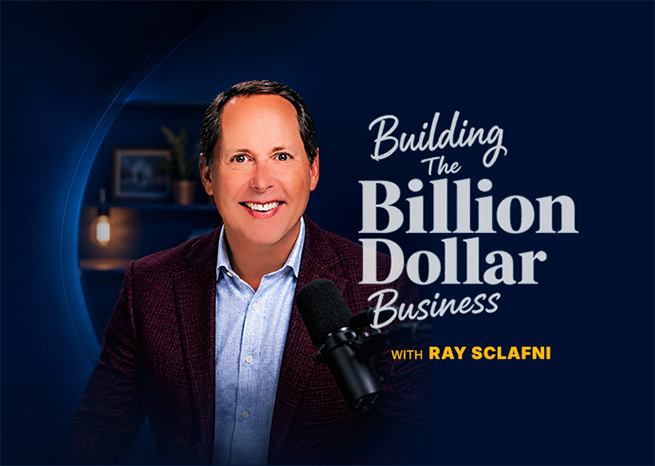
Episode #111
The Five Conversations You Must Have to Build a Truly Collaborative Partnership
Building the Billion Dollar Business with RAY SCLAFANI
EPISODES
EMPOWERMENT
INSIGHTS
Executive Summary
Next generation partners don't leave firms over a single bad meeting. They leave when they realize they have been handed responsibility without authority and a seat at the table without a real voice in the decisions that shape the firm's future.
In this episode of Building the Billion Dollar Business, Ray Sclafani draws on a real client situation to illustrate why good intentions, without governance, communication structure, and genuine inclusion, are not a partnership strategy.
Using research from the 2025 Thomson Reuters Law Firm Culture Report, Ray makes the case that culture is not what partners say they value. It is what they discuss, decide, reward, and model together.
Ray presents a field-tested framework built around five partner conversation categories that advisory firms can use to structure monthly, quarterly, and annual meetings, ensuring that the leaders a firm counts on to carry its future are genuinely invested in building it.
For any RIA, broker-dealer, or wealth management firm navigating succession, continuity, or next generation retention, this episode delivers an immediately actionable structure for strengthening partnership health and protecting enterprise value.
Key Takeaways
Good intentions are not governance. A next gen partner with 17 years at the firm was asking for an exit because he had responsibility without authority and no real voice in the decisions shaping his future.
Culture is not what partners say they value. Culture is what they discuss, decide, reward, and model together.
Over-reliance on a single next gen leader is not a continuity plan, it is hope.
The five partner conversation categories: Growth Strategy, Client Experience, Talent and Leadership, Financial Discipline, and Governance and Partner Health should drive the structure of every monthly, quarterly, and annual partner meeting.
Every partner meeting should end with three things in writing: what was decided, who owns the next steps, and what needs to be communicated to the team.
Firms that do not give next gen leaders genuine voice and authority will lose them, and that loss has a direct cost to succession viability and enterprise value.
Transcript
Ray Sclafani (00:00.142)
Welcome to Building the Billion Dollar Business, the podcast where we dive deep into the strategies, insights, and stories behind the world's most successful financial advisors and introduce content and actionable ideas to fuel your growth. Together, we'll unlock the methods, tactics, and mindset shifts that set the top 1% apart from the rest. I'm Ray Sclafani and I'll be your host. Next generation partners do not usually leave a firm.
Because of one bad meeting. They leave, however, when they realize they have responsibility without authority, ownership without influence, and a seat at the table without a voice shaping the future of the firm. Recently I was contacted by a group of owners on the edge of a serious rupture. They had added a younger partner to the firm. He was not new. He had been with them for 17 years. He knew the clients, the team, and the business.
In the minds of the senior partners, he was central to the continuity plan. He was also central to their succession strategy. Now, the intentions of these senior partners were good and honorable, and they indeed did want to take care of this young next gen leader, who they continued to affectionately call a junior partner even after 17 years. That was mistake number one. There was nothing junior about this professional. He knew all the clients.
He was connecting to the heirs of their high net worth and ultra high net worth clients. These so-called good intentions missed the mark and lacked a true communication structure. You see, good intentions are not governance, and good intentions are not a partner health plan. These fellas also made two other mistakes. First, they relied too heavily on one next generation leader as the future of the firm. If he stayed, continuity worked. If he left, however,
Ray Sclafani (01:56.014)
Continuity weakened immediately. And if he did leave, succession was thrown out the window. These senior partners had no other options. The second mistake, they had not given him a real voice in the conversation shaping the future of their firm. Yeah, he was in the room, but he was often muted. He had responsibility, but not enough authority. He had the title, but not enough influence. He was expected to carry the future, but he had not been invited to help design it.
By the time I was contacted, he was asking for an exit, and it was surely going to be costly. My good friend at Barron's Matt Barthel and I have often observed a number of next generation professionals voting with their feet. This story I've just shared with you is not an isolated one. In fact, Matt has been tracking the data and sees what he calls a French revolution brewing in our industry of next generation professionals voting with their feet. I cannot emphasize enough how important.
Leadership, communication, collaboration all really matter and how critical it is for partners to develop a framework for having the crucial conversations as a team and providing a voice for all of the next generation leaders. I'm not suggesting you examine your framework here for partner meetings and think about increasing communication just because you need more meetings. In fact, my view is that most firms already have too many meetings.
What they need is a better structure, framework for the communications and conversations that matter most. And how they include all of the voices, especially those the firm will count on to run the future firm, really matter. I want to use one data point from outside of wealth management for just a moment. And there's a good reason. Law firms are older and in some cases more mature professional services partnerships. They've wrestled for decades with partner communication, governance.
Equity, decision rights, client ownership, succession, and next generation leadership. Advisory firms should not try to become law firms, but we should study the partnership issues that law firms have already faced. The 2025 Thomson Reuters Law Firm Culture Report found a clear gap between what firms say they value and what they actually reward. 56% of standout lawyers viewed their firms as innovative.
Ray Sclafani (04:20.856)
But only 9% said compensation rewarded innovation. 70% viewed their firm as client-centric, but only 25% said client feedback was incorporated into compensation decisions. This is the point. Culture is not what partners say they value. Culture is what partners discuss, decide, reward, and model all of the partners and collaboratively. Now that lesson applies directly to advisory firms.
If partners say they value succession, but the next generation has no real voice, well, the firm's got a gap. If partners say they value team based advice, but every major client relationship still runs through one or a couple of senior advisors, well, the firm's got a gap. If partners say they value leadership development, but they have no leadership formal training program and younger leaders are informed after decisions are made, the firm's got a gap. Let me share an actionable idea that may work with your firm.
Now, this framework I'm about to share has worked with many executive leadership teams and partners that we've coached here at ClientWise. I'm gonna describe 13 crucial conversations, but then organize them into five categories. Consider using these five categories as the structure for your monthly, quarterly, and annual partner meetings. Now, a quick word here. some of you may be using Geno Wickman's EOS, the L10 meetings, because I know many of our listeners are operating with EOS.
And utilizing the L10 meeting. Think of it this way: the L10 runs the business. The framework I'm describing here protects the partnership. And there's a difference. Okay, let's get into these five categories. The first category is growth strategy and market position. This includes your vision of growth. By the way, that vision of growth will help trickle a whole lot of decisions in your firm about how money is spent, where reinvestment is made, what new client acquisition strategies, marketing, and branding there is.
And the future value you want to create for clients. Partners need to agree on where growth is going to come from and what kind of firm they're building. Are you growing through new ideal clients, deeper planning, next generation family members, spousal engagement, strategic relationships, acquisitions, or expanded advice? Without alignment here, each partner will build from personal preference instead of a shared strategy.
Ray Sclafani (06:41.314)
Now, there's a lot to unpack in just that one paragraph, but the conversation I'm describing here just about this first category should answer a few of these questions, like what are we building for the future? Who are we best built to serve in the future? And what growth are we willing to pursue or reject? Okay, the second category is all around client experience and advice delivery. This includes client segmentation, the service model, onboarding, annual reviews, advice delivery.
Consistency across all relationships at the firm. A firm lacks a true client experience is if every partner delivers advice differently. That is individual style and it may work in practice, but it does not work in an enduring firm. Partners have to decide what every ideal client can count on across the firm. And that includes how advice is delivered, how meetings are structured, how the team shows up, how investment solutions are introduced, how planning is communicated.
How trust is transferred from one advisor to the broader team. And the conversation should answer: where are we still too dependent on individual partner style and what must become firm standard? The third category is talent, leadership, and capacity. This includes culture, performance, career paths, growing leaders, unique abilities of all the partners, delegation, role clarity, succession readiness.
This is where the next generation partner story matters most. If someone's central to your future, they need more than responsibility. They need a voice, a voice with authority. They need development. They need to be trusted. Partners need to be asking who's ready for more, who's overloaded, who needs coaching, who needs development, who's miscast in the role assigned, and who could become a better owner in the future someday.
They also need to ask where they are relying too much on one person. A continuity plan that depends on one younger partner staying happy. That's not a plan. That's just hope. The conversation should answer who are we counting on for the future and who are we preparing to lead into the future, or just are we simply expecting people to absorb more responsibility? The fourth category is financial discipline and capital alignment. This includes budgeting, profitability.
Ray Sclafani (09:04.824)
Compensation decisions, distributions, reinvestment, hiring, technology, marketing spend, and capital decisions. This is not just about money, it's also about trust. Partners need to understand how the firm's financial choices support the future they claim to want. If partners say they want scale, but do not invest in people, process, technology, and leadership, the firm's going to be misaligned. If partners say they want succession,
But protect current distributions at the expense of next generation development, the firm's misaligned. And as you grow your firm and add more equity owners and income owners and partners in your firm, alignment is tricky and requires an increase in the quality of communications and the cadence of communications and the framework. Now, this conversation around financial discipline and capital alignment should answer are our financial decisions building the firm of the future?
or protecting the comfort of the past. Okay, the fifth and last category here is governance, ownership, and partner health. This includes decision rights, ownership expectations, equity transfers, share recycling, succession, conflict resolution, partner communication, and the overall health of the partnership. This is the category that too many firms leave informal for too long. Who decides what?
Which decisions require full partner agreement? Which decisions belong to the CEO or managing partners? Who owns partner communication? Who's responsible for partner health? And what does it mean to be a good partner in your firm? If everyone owns partner communication, well then nobody owns it. In a smaller firm, the owner may be the CEO, managing partner, founder, or lead partner.
In a larger firm, it may be an executive committee, governance committee, COO, chief of staff. The title matters less than the accountability structure. Someone has to own the rhythm, the agenda, the follow-through, and health of the overall partnership. Partner health is not measured by the absence of conflict. That is too low a standard. Healthy partners still disagree. They just address the right issues.
Ray Sclafani (11:23.926)
in the right room before the issues become side conversations, resentment, or exits. This conversation should answer are we operating like a real partnership, or are we relying on goodwill, history, and informal conversations to carry more weight than they can bear? Or are we just counting on one or a few people to still make the decisions? Here's the cadence I'd recommend. Monthly partner meetings should focus on current operating health. Use the five categories, but don't try to cover everything. Pick
The two or three areas where alignment matters more right now. Quarterly partner meetings should focus on not only the next 90 days, but the overall operating plan for the year, what decisions need to be made, what needs to be funded, what needs to stop, who needs to be included, what tension has been avoided for too long. And then the annual partner meeting should focus on the next three to five years. This is where you talk about growth strategy, ownership, succession, leadership, continuity, enterprise value.
governance and what must become less dependent on the founders. Now, at the end of every partner meeting, consider writing down three things. What did we decide? Who owns the next steps? What needs to be communicated to the team? That is the simple discipline, but with consistency can make a real dent and an improvement in partner health. The younger partner in my story did not need another update. He needed a voice in the ownership conversations that shaped the future he was expected to carry. And
And he needed contemporaries. He needed other equity owners that were his age, or maybe a little younger that he could develop that he could partner with to run the firm into the future. He didn't want to go it alone. He wanted a team. And that's the lesson here. You don't want to mistake loyalty for alignment. You don't want to mistake title for inclusion. And you don't want to mistake silence for agreement. Do not mistake good intentions for partner health. The future of the firm belongs in the room.
Before the future starts looking for an exit. Today's episode, with all episodes, we include these coaching questions. I've got three for you today to consider. First, who's central in your firm's future, but still does not have a real voice in the conversations shaping that future? Number two, which of the five partner categories needs the most honest conversation in your firm this quarter? And number three, what would change if your partner meetings became less about updates and more about alignment, ownership?
Ray Sclafani (13:50.668)
and the future value of the firm. Well thanks for tuning in, and that's a wrap. Until next time, this is Ray Sclafani. Keep building, growing, and striving for greatness. Together, we'll redefine what's possible in the world of wealth management. Be sure to check back for our latest episode and article.
Questions Financial Advisory Firm Leaders and Team Members Often Ask
Why do next generation advisors leave wealth management firms? +
Next generation advisors typically do not leave because of compensation alone. They leave when they realize they have been handed responsibility without the authority or voice to match it — when they are expected to carry the firm's future but have not been included in designing it. Ray Sclafani describes this as one of the most preventable and costly failures in advisory firm succession planning, and it is almost always the result of good intentions without governance or communication structure.
What should advisory firm partners talk about at monthly and quarterly meetings? +
Ray Sclafani recommends structuring partner meetings around five categories: Growth Strategy and Market Position, Client Experience and Advice Delivery, Talent and Leadership and Capacity, Financial Discipline and Capital Alignment, and Governance and Ownership and Partner Health.
Monthly meetings should focus on current operating health, selecting two or three categories where alignment matters most.
Quarterly meetings should address the next ninety days, what decisions need to be made, and what tensions have been avoided too long.
Annual meetings should look three to five years ahead at succession, enterprise value, and governance.
How do advisory firms build a succession plan that does not rely on one person? +
The most common succession planning mistake in wealth management is building continuity around a single next generation leader, which means the entire plan depends on that one person staying satisfied. A resilient succession plan requires multiple next generation equity owners who are genuinely included in leadership decisions, developing their own client relationships, and building leadership capacity alongside each other. Ray Sclafani emphasizes that a continuity plan dependent on one person staying happy is not a plan — it is hope.
What is a partner health framework for a financial advisory firm? +
Partner health refers to the quality of communication, alignment, decision-making, and inclusion within a firm's ownership group, not merely the absence of conflict.
A healthy partnership gives all partners, including next generation leaders, a genuine voice in the conversations that shape the firm's future.
Ray Sclafani's five-category framework provides a structured approach to monthly, quarterly, and annual partner meetings, ensuring that critical topics like governance, succession, financial alignment, and talent development are addressed consistently rather than left to informal conversation or goodwill.
How does partner communication affect the enterprise value of an advisory firm? +
Enterprise value in a wealth management firm depends heavily on continuity, transferability, and leadership depth, all of which are directly shaped by how partners communicate and govern the firm.
When next generation leaders lack real voice and authority, they leave taking relationships, institutional knowledge, and succession viability with them. Structured partner communication is an enterprise value strategy, not an administrative function.
Is Your Partnership Built for the Future or Held Together by Good Intentions?
If your next generation leaders have responsibility without authority, or your partner meetings are running on goodwill instead of governance, it is time to build the structure your firm's future requires. The ClientWise Team works with advisory firm owners and partners to design communication frameworks, succession strategies, and leadership systems that protect enterprise value and create genuine alignment.
Connect With ClientWise